


Transitioning into heritage utility boots often presents a dramatic contrast to modern athletic sneakers. Many everyday walkers and occupational workers wondering what are dr martens shoes encounter a unique blend of mid-century orthopedic engineering and countercultural fashion. Originally conceived to provide gentle underfoot support after physical injuries, the footwear evolved into a global staple recognizable by its heat-sealed yellow stitching and translucent soles. Anyone dealing with daily foot strain or transitioning from shoes for plantar fasciitis and metatarsalgia will immediately notice the distinct underfoot feel of their proprietary air-cushioned outsoles.
Understanding how these boots and shoes differ from conventional vulcanized or cemented footwear requires examining their physical assembly. They rely on heavy-gauge leather uppers stitched to a grooved synthetic rim and bonded through high heat to an air-trapping PVC sole. While this design provides notable resilience against oil, grease, and street abrasion, the rigid initial build demands a dedicated break-in process. Exploring the balance between their classic aesthetic, supportive footbeds, and long-term leather care helps prospective buyers set realistic expectations for daily wear.
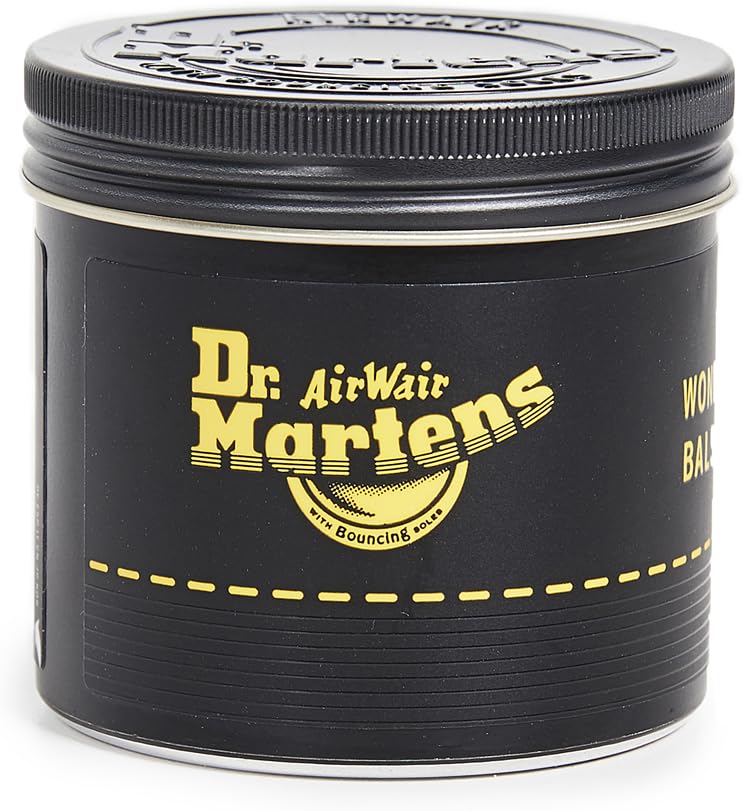
Pros
- Significantly helps soften tough leather during the initial break-in period
- Restores natural oils to keep leather uppers flexible and crack-resistant
- Simple, mess-free application that absorbs quickly without sticky residue
- Provides a practical protective layer against wet weather and street dirt
Cons
- Not suitable for suede, nubuck, or patent leather finishes
- May slightly darken lighter shades of natural leather after application
- Smaller 85 ml container may run out quickly for extensive boot collections
Dr. Martens Wonder Balsam is a specialized leather care product formulated to clean, condition, and protect smooth leather footwear. Designed as a blend of natural and synthetic waxes, this balsam serves as a vital accessory for anyone who relies on leather boots, casual oxfords, or dress shoes. Whether you are breaking in a brand-new pair of stiff combat boots or reviving seasoned work shoes, this conditioner helps maintain the integrity and appearance of quality leather over long-term wear.
This treatment is particularly beneficial for commuters, outdoor enthusiasts, retail workers, and office professionals who want their footwear to look sharp while withstanding daily use. Stiff leather uppers often cause uncomfortable heel rubbing, tight insteps, and ankle friction during early wears. Applying this balsam softens the hide, promoting natural flexibility around the flex points of the foot and reducing the severity of the break-in period.
In terms of practical protection, the wax formula forms a light protective barrier over the leather. This barrier repels moisture from light rain, prevents sidewalk salt from causing permanent stains in winter, and keeps dust from embedding deeply into the grain. By infusing the material with essential nourishment, it helps prevent dry rot, cracking across the vamp, and premature breakdown caused by environmental exposure.
Application is straightforward and mess-free compared to traditional liquid shoe polishes or heavy dubbin waxes. The solid balm consistency melts easily with the friction of an applicator sponge or soft cloth, spreading evenly across seams, welt stitching, and leather panels. It absorbs relatively quickly into smooth leathers, leaving a subtle, clean sheen rather than an overly glossy or slippery coating.
While this balsam works exceptionally well on smooth and waxy leathers, buyers should remember that it is not intended for suede, nubuck, or high-shine patent leathers. It can also cause temporary or permanent darkening on very light tan or untreated leathers, making a small spot test on the heel or tongue a smart initial step before full application.
For boot owners, daily city walkers, and leather shoe enthusiasts looking to maximize the lifespan and comfort of their footwear investment, Dr. Martens Wonder Balsam provides reliable, budget-friendly protection. Adding this simple conditioning step to your regular shoe care routine keeps uppers supple, comfortable, and ready for miles of walking.
Before applying Dr. Martens Wonder Balsam, ensure your footwear is completely dry and free of surface mud, grit, or dust by wiping the uppers with a damp cloth or soft horsehair brush.
Using a clean sponge or dry cloth, scoop a small amount of balsam and gently rub it into the leather using circular motions, paying extra attention to flex creases, seams, and dry spots. Allow the product to absorb for several minutes, then wipe off any excess with a clean rag to achieve a smooth, natural finish.
New leather boots and shoes are frequently stiff across the instep, ankle collar, and toe box, which can lead to friction and blisters during the first few weeks of wear. Conditioning the leather with balsam softens the fibers, allowing the upper to mold much faster to the unique shape of your foot.
For best break-in results, apply a thin coat of balsam to the interior and exterior flex zones before wearing thick socks and taking short walks around the house or neighborhood.

Pros
- Wonder Balsam deeply conditions and softens rigid leather to significantly ease the boot break-in period.
- Ultra Protector spray adds breathable, invisible defense against wet weather, street salt, and daily grime.
- Leaves a clean, non-sticky satin finish without requiring heavy buffing or polishing tools.
- Comes with a dedicated lint-free buffing cloth for mess-free, even product distribution.
- Compact packaging is convenient for home storage, travel kits, or office drawer shoe care.
Cons
- Not suitable for suede, nubuck, or high-shine patent leather materials.
- Compact sizes (50ml balsam and 100ml spray) may require restocking if caring for multiple pairs of tall boots.
- Protector spray requires a well-ventilated area for application and proper drying time.
The Dr. Martens Kit 1 is a dedicated leather footwear maintenance kit created to condition, protect, and restore smooth leather boots, oxfords, loafers, and everyday casual footwear. Designed as a comprehensive care trio, the kit bundles a 50ml tub of Wonder Balsam, a 100ml bottle of Ultra Protector spray, and a branded soft buffing cloth. For anyone investing in high-grade leather boots or shoes, having the right maintenance products is just as critical as finding the proper fit, as regular conditioning keeps premium uppers supple, clean, and crack-free.
This care kit is ideally suited for city commuters, office workers, college students, concertgoers, outdoor enthusiasts, and travelers who rely on their leather boots across changing weather conditions. It is especially beneficial for shoppers who have just purchased a brand-new pair of stiff leather boots and want to speed up the break-in process. Parents maintaining their teens' boots, workers wearing leather boots on long shifts, and budget-conscious shoppers looking to maximize footwear longevity will find this compact kit practical and easy to use.
In terms of performance, the Wonder Balsam plays a pivotal role in softening stiff full-grain and smooth leather uppers. Formulated with a balanced blend of natural and synthetic waxes, it penetrates leather pores to nourish the hide from within. Based on user feedback, applying this balm around high-flex zones like the ankle collar, midfoot seams, and toe box helps reduce pinch points during early wears. It also revives dull, scuffed surfaces, leaving a subtle, hydrated satin look without a greasy film.
The Ultra Protector spray complements the conditioning balm by adding an invisible, breathable protective shield. Misting the boots creates a dependable barrier against light rain, street puddles, mud, and everyday dirt, preventing moisture and road salts from soaking directly into the leather fibers. Because the spray remains breathable, it protects without trapping internal moisture or compromising natural foot ventilation.
Using the kit requires minimal effort. Simply wipe away surface dust with the dry cloth, use the included sponge or cloth to work a small dab of Wonder Balsam into the leather, and allow it to absorb. Finish by lightly misting with the Ultra Protector spray in a ventilated space and allowing it to air dry. A realistic limitation to keep in mind is that this formula is intended strictly for smooth and greasy leathers; it should not be applied to suede, nubuck, or patent finishes.
Overall, the Dr. Martens Kit 1 is a reliable, high-value footwear accessory for anyone who wants to protect their footwear investment. Whether you are prepping new boots for daily walking, refreshing seasoned footwear for weekend outings, or protecting leather shoes against wet winter commutes, this kit delivers essential nourishment and weather protection in one convenient package.
Using the Dr. Martens Kit 1 follows a simple, effective multi-step routine. Start by wiping away loose dust, dirt, and road grime from your footwear using the dry buffing cloth. If boots are heavily soiled, wipe them down with a damp cloth first and let them dry completely before applying any product.
Next, apply a small amount of the Wonder Balsam directly onto the leather using the application sponge or cloth. Rub the balm evenly across the upper, paying close attention to seams, flex creases, and scuffed areas. Allow the waxes to nourish the leather for 5 to 10 minutes, then use the clean cloth to buff off any excess product.
Finally, shake the Ultra Protector spray and mist evenly over the entire shoe from a distance of approximately 8 to 12 inches. Allow the boots to dry thoroughly in a well-ventilated space away from direct heat sources before wearing them out into wet conditions. Reapply every 6 to 8 weeks for ongoing defense.
Breaking in a pair of sturdy, thick leather boots can sometimes lead to stiff ankle collars and initial foot fatigue. The Wonder Balsam included in this kit is an effective aid for accelerating that break-in timeline.
The natural and synthetic wax formula softens tough leather fibers, allowing the upper to mold more readily to the contours of your feet, heels, and ankles. Applying a light layer of balm to both the exterior leather and the interior flex zones before wearing your new boots helps reduce stiffness and minimizes hot spots during early walks.
The Dr. Martens Kit 1 contains three tailored components for complete leather maintenance: one 50ml tub of Wonder Balsam with an application sponge, one 100ml bottle of Ultra Protector pump spray, and one branded soft buffing cloth.
Each component serves a targeted purpose in your footwear care routine: the balm conditions and softens, the spray repels water and stains, and the cloth ensures clean, lint-free application and daily touch-ups.

Pros
- Effectively stops heel lift and friction in slightly oversized or stiff footwear
- Plush foam and microsuede lining deliver instant heel comfort without crowding the toe box
- Strong self-adhesive backing stays anchored to leather, synthetic, and textile linings
- Comes in a convenient two-pair pack with a portable shoe horn included
Cons
- Dark color suede may cause minor dye transfer onto light-colored socks over extended wear
- Edges may peel or roll if shoes are forced on without loosening laces or using a shoe horn
- Adhesive longevity can vary in high-friction environments or heavily worn inner fabric
Dr.Foot Heel Grips are adhesive footwear accessories designed to eliminate heel slippage, prevent chafing blisters, and fine-tune shoe fit. Whether you are an office professional breaking in stiff leather loafers, a commuter walking across town in dress shoes, a hiker dealing with heel lift in trail sneakers, or someone who had to size up to accommodate wide-width forefoot needs, these foam inserts offer a simple way to secure your fit.
Slightly oversized shoes or rigid heel counters frequently cause feet to slide up and down with every stride, leading to painful friction hotspots and instability. Based on product specifications and user feedback, these inserts replicate the natural contour of the heel. The soft inner foam absorbs impact while the microsuede surface adds gentle grip. This padding takes up just enough slack to keep the foot seated comfortably without altering midfoot lockdown or cramping the toe box.
Built with high-density cushioning foam, a smooth microsuede exterior, and a sticky double-sided adhesive backing, these heel pads are designed to adhere firmly to leather, synthetic, and fabric shoe linings. The package also includes a compact shoe horn, which helps protect the top edges of the inserts from rolling or catching when sliding your feet into tight collars.
Applying the grips is straightforward: clean the interior heel counter of dust and oils, peel the backing tape, position the cushion at the appropriate height, and press firmly. User feedback indicates that while the adhesive holds well, using the included shoe horn helps maintain the bond over time. Additionally, buyers wearing white or light socks should keep in mind that the black suede finish may transfer slight color over long periods of continuous friction and sweat.
For anyone managing in-between shoe sizes, bunion-related sizing adjustments, or stubborn new dress shoes, the Dr.Foot Heel Grips deliver dependable comfort and blister prevention. They provide a practical, cost-effective solution for teachers, nurses, daily walkers, and travelers looking to make every pair in their closet fit securely.
Each heel grip measures approximately 3.3 inches in length and 1.4 inches in width, offering a universal profile that fits into men's, women's, and older kids' shoes without bunching up. They are especially beneficial for anyone caught between half sizes or individuals who size up in width and experience excess length in the heel cup.
By filling the small void between your Achilles tendon and the shoe collar, these inserts reduce heel lift without pushing your toes forward into the front of the shoe. They can be used in sneakers, athletic shoes, oxfords, flats, and ankle boots.
To achieve the strongest hold, thoroughly wipe and dry the inside heel area of your footwear before installation to remove any lint, dust, or moisture. Once clean, peel the adhesive cover and press the pad firmly along the top curve of the heel counter for 30 seconds.
Allow the adhesive to set before wearing the shoes for extended activity. To prevent the top lip of the pad from rolling down, always unlace shoes adequately or use the included shoe horn when sliding your feet into your footwear.
An In-Depth Breakdown of Dr. Martens Footwear Mechanics and Maintenance
At their core, Dr. Martens shoes and boots are heavy-duty casual and utilitarian footwear defined by air-cushioned soles, heat-welded welt construction, and distinctive yellow stitching. Unlike typical athletic shoes that rely on molded EVA foam, these boots incorporate a resilient polyvinyl chloride sole with internal air-filled compartments. This architecture produces a firm yet shock-absorbing underfoot sensation that molds gradually to the wearer’s foot over weeks of sustained use. Dissecting their history, sole engineering, and break-in realities clarifies why they remain distinct in modern footwear.
The Historical Transition from Post-Surgical Aid to Cultural Icon
The lineage of Dr. Martens began not in high fashion, but as an ergonomic response to foot trauma. German physician Klaus Märtens injured his ankle in the late 1940s and found standard military footwear too unyielding for swollen, sensitive joints. He engineered a prototype sole made from salvaged rubber that contained sealed air pockets to soften heel impact during terminal stance. This therapeutic footwear gained popularity among older adults and workers needing relief from continuous standing on unforgiving floors.
British bootmaker R. Griggs Group acquired the patent rights in 1959 and introduced key structural modifications that redefined the silhouette. They altered the heel geometry, rounded the toe box, added the signature yellow perimeter welt stitch, and trademarked the sole as AirWair. The classic eight-eyelet boot, designated the 1460, debuted in April 1960 as a utilitarian work shoe for postal carriers, factory employees, and municipal laborers. Subcultures quickly adopted the footwear for its durability and bold profile, transforming an orthopedic utility shoe into a global cultural staple.
The Engineering Behind the Heat-Sealed AirWair Bouncing Sole
The foundation of every classic Dr. Martens shoe is the air-cushioned PVC outsole, engineered with segmented hollow chambers that compress slightly under body weight. Unlike lightweight compression-molded EVA midsoles that pack out over time, polyvinyl chloride maintains its rebound characteristics across years of pavement contact. The honeycomb cavities inside the heel and midfoot absorb repetitive ground reaction forces during heel strike, reducing direct shock transmission to the lower kinetic chain. This dense compound also exhibits natural resistance against petrol, alkaline substances, animal fats, and motor oils commonly found in industrial settings.
The assembly method distinguishes Dr. Martens from standard cemented or Blake-stitched footwear. Craftsmen stitch a heavy ribbed PVC welt directly to the leather upper using a multi-needle lockstitch mechanism. A specialized heated blade running at extreme temperatures then melts the underside of the welt and the top surface of the outsole together. This thermal bonding creates a hermetic, waterproof perimeter seal that eliminates the need for water-soluble adhesives. Because the sole and welt fuse into a unified synthetic unit, moisture cannot easily penetrate the internal chambers from ground level.
Upper Leather Varieties, Thickness, and Structural Durability
The upper construction of classic Dr. Martens footwear predominantly utilizes thick, corrected-grain cowhide known commercially as Smooth leather. Manufacturers buff the natural grain of this hide to remove surface blemishes before applying a dense, pigmented polyurethane topcoat. This impermeable coating shields the underlying fibrous matrix from mud, road grime, and light moisture, making the exterior simple to clean. However, the heavy plasticized surface finish prevents immediate flexing and creates substantial initial resistance against the dorsal instep and ankle joint.
Alternative hides, such as pull-up leather, greasy nappa, or tumbled nubuck, provide distinct physical properties and softer temper straight from the box. Full-grain pull-up leathers absorb conditioning oils readily, developing an organic patina as micro-creases form along high-movement flex zones. Softer milled leathers flex naturally during initial dorsiflexion, dramatically reducing hot spots along the first metatarsophalangeal joint. Regardless of the specific hide selected, the uppers maintain structural integrity through heavy-duty puritan stitching that binds multiple leather panels securely under mechanical strain.
Biomechanical Realities of the Notorious Break-In Process
New Dr. Martens footwear is infamous for a demanding break-in period that challenges even seasoned boot wearers. The combination of an unyielding leather upper, a rigid internal heel counter, and a stiff PVC sole creates severe friction against the skin. During normal walking gait, your heel naturally lifts slightly as the foot transitions into terminal stance and push-off. If the sole fails to flex in coordination with your metatarsal heads, the rear foot slides upward against the stiff leather counter, generating intense shear stress over the Achilles tendon.
This mechanical friction rapidly causes stratum corneum separation, resulting in dorsal abrasions, deep blisters, and localized inflammation. The collar of high-top silhouettes can also dig sharply into the supramalleolar region, bruising soft tissue around the lower shin and peroneal tendons. Wearers often mistake this painful friction for an incorrect size, when in reality the leather fibers simply require mechanical flexing and softening to conform to anatomical contours. Managing this break-in requires gradual, staged wear indoors combined with targeted surface softening and friction-reducing interior padding.
Essential Leather Conditioning with Wonder Balsam and Protective Sprays
Preserving leather pliability and accelerating fiber suppleness requires regular application of specialized conditioning products like Dr. Martens Wonder Balsam. This treatment contains an exclusive blend of natural and synthetic waxes formulated to nourish, condition, and protect smooth leather surfaces without degrading structural seams. Massaging the wax compound into high-strain flex zones allows the conditioning agents to penetrate micro-creases in the hide, softening stiff internal collagen bundles. Applying a light layer inside the heel cup and across the vamp can dramatically ease flex resistance during early break-in phases.
Following wax conditioning, external barrier defense helps protect the leather from environmental moisture, road salt, and harsh surface stains. The Dr. Martens Kit 1 Shoe Accessory provides a balanced maintenance approach by pairing the nourishing balsam with a specialized Ultra Protector spray. This aerosol treatment creates an invisible, breathable hydrophobic shield across the outer perimeter of the upper that repels rainfall and liquid spills. Consistent conditioning keeps the upper resilient against cracking along dorsal fold lines, preserving footwear lifespan through cold autumn and wet winter seasons.
Counteracting Heel Slippage, Blisters, and Excess Collar Friction
When breaking in stiff boots or addressing excess internal volume, direct friction management is essential to prevent painful skin breakdown. Self-adhesive heel cushion inserts, such as Dr.Foot Heel Grips for Men and Women, bridge the physical gap between the calcaneus and the rigid internal counter. Built with high-density contouring foam topped with soft microsuede, these grips replicate the natural contour of the heel while preventing the rear foot from sliding vertically during gait. Their super sticky backing relies on CROWN #513 double-sided tape, anchoring the cushion firmly against the inner leather lining so it remains stable during long walks.
Integrating cushioned heel grips does not crowd the forefoot or constrict vertical clearance above your toes. By securing the heel cup in place, these inserts eliminate the repetitive rubbing that creates painful blisters and deep Achilles tenderness. They also improve overall shoe fit for individuals caught between whole sizes or dealing with narrow heel anatomy inside broad boots. Pairing reliable heel grips with moisture-wicking wool socks creates an effective defense system that isolates vulnerable skin from unyielding leather edges during the initial adaptation period.
Sizing Nuances, Lack of Half Sizes, and Footbed Volume Accommodation
Sizing Dr. Martens footwear can prove challenging because the brand does not produce standard half sizes in most core silhouettes. Standard models are built on generous unisex lasts that feature a wide ball width, a relaxed instep, and ample internal volume. If you normally wear a half size in athletic footwear, dropping down to the nearest full size is frequently necessary to avoid excessive foot displacement inside the shoe. However, sizing down can compress the dorsal instep if you have high arches, creating uncomfortable pressure over the navicular and cuneiform bones.
When sizing down makes the toe box uncomfortably shallow, purchasing the larger full size and inserting an aftermarket footbed represents the safest functional compromise. Adding an ergonomic insole or using footwear equipped with a SoftWair comfort footbed reduces surplus vertical volume while enhancing midfoot arch support. If you require specialized orthotic support, verifying that the factory insole is removable prevents severe crowding across the top of the foot. You should always ensure that roughly half a thumb width of clearance remains in front of your longest toe to prevent painful nail bruising during downhill descents.
Outsole Traction Dynamics Across Urban and Occupational Terrains
The grooved PVC sole of Dr. Martens performs admirably on dry concrete, asphalt, and flat workshop surfaces due to its broad ground contact area. Its grooved tread siping channels moderate rainwater away from the center of the foot, helping preserve surface contact on wet sidewalks. However, the relatively dense durometer of polyvinyl chloride behaves differently from soft gum rubber or deep-lugged outdoor soles. On slick, polished marble, icy asphalt, or greasy commercial floors, the smooth perimeter surface can lose traction if surface contaminants prevent the tread grooves from clearing fluid efficiently.
Individuals navigating loose gravel, muddy trails, or rocky slopes require footwear engineered with aggressive, multi-directional lug arrays. Unlike specialized hiking shoes with rugged traction that utilize softer rubber formulations for off-road grip, the classic AirWair sole is optimized primarily for paved city streets. The PVC material is intentionally firm to resist abrasive asphalt wear, meaning it does not bite into soft soil or cling to wet rock faces. Recognizing these traction boundaries ensures that you deploy your footwear in environments where its durable city-oriented sole can perform safely.
Long-Term Maintenance and Structural Longevity
Maximizing the working lifespan of Dr. Martens requires disciplined leather care and proactive storage habits. Salt residue from winter sidewalks and caked mud draw moisture out of tanned hides, causing the grain to dry out, stiffen, and eventually fracture. Wiping the exterior clean with a damp cloth after exposure to harsh elements prevents grit from grinding into delicate flex points. Once the leather dries naturally at room temperature, massaging a small dab of conditioning wax replenishes vital oils and restores natural suppleness across the vamp.
Resoling classic heat-sealed Dr. Martens footwear involves unique technical hurdles compared to traditional Goodyear-welted leather-soled shoes. Because the outsole is thermally welded directly to the PVC welt, conventional cobblers cannot simply unstitch and restitch a replacement rubber sole. Specialized cobblers must use hot-knife techniques or grind away the worn tread before bonding a replacement sole unit onto the existing base. Taking care to avoid dragging your heels, rotating pairs across workdays, and keeping the uppers thoroughly conditioned ensures that the original sole and leather wear evenly over many years.
Investing in Dr. Martens footwear means choosing durable materials, distinctive aesthetics, and a time-tested air-cushioned platform. While the initial break-in demands patience, quality wax treatments and protective heel grips significantly streamline the transition from rigid leather to personalized daily comfort. Paying close attention to internal volume, sizing offsets, and environmental traction allows you to enjoy their supportive design without enduring unnecessary foot pain. With consistent maintenance and proper fit calibration, these iconic shoes and boots reward their wearers with dependable service across countless urban miles.




Write Your Review
No reviews yet. Be the first to share your experience!